

Learn how to do a balance sheet with step-by-step instructions, examples, and analysis tips to understand your business’s financial health. To calculate the effect of a cash dividend on retained earnings, subtract the dividend amount from the company’s cumulative retained earnings. Limitations of retained earnings as a financial metric include the inability to reflect liquidity, current profitability, or operational efficiency. The statement heading spells out the essential details anyone reading will need to know to interpret information correctly. Title your document “Retained Earnings Statement” and include the company name and accounting period. Gross income refers to the business’ total revenues before deducting expenses, servicing debt, paying employees, and other mandatory payments.
- Whatever you do, don’t stop at one statement; make calculating retained earnings a regular habit monthly, or at least quarterly—it’s good financial practice!
- This statement helps assess the business’s profitability and how profits are being used.
- Retained Earnings are reported on the balance sheet under the shareholder’s equity section at the end of each accounting period.
- The cash flow statement is linked to the balance sheet because the financial statement tracks the change in the working capital accounts, i.e. the increase or decrease in working capital.
- An upward curve as the business grows usually signals wise investment and operational efficiency.
- First, notice they list common stock repurchased, which means share repurchases or buybacks to $14,464 million.
- The statement of retained earnings provides a concise reporting of these changes in retained earnings from one period to the next.
How is the Statement of Retained Earnings Used?
For example, a voluntary shift in the inventory costing method usually requires a retrospective application. The final variable subtracted from this running total is Dividends Paid, which represents the portion of profits distributed to shareholders. These distributions reduce the amount of profit that is retained within the Accounting Security business.

The Controller’s Guide to SaaS Expenses: Amortization, Accruals, and the End of the Spreadsheet
The cash flow statement displays the change in cash per period, as well as the beginning and ending balance of cash. Calculating retained earnings is not complicated once you understand how net income and dividends affect them. With this knowledge, managers can make informed decisions about how much money to distribute to shareholders versus keeping within the company.
Everything You Need To Master Financial Modeling
- Businesses report them in the shareholders’ equity section of financial statements.
- But strike the right balance, and you’re likely to attract investments while still rewarding shareholders.
- Are you confused about where retained earnings belong in the financial statements?
- Factor in net income like a maestro weaving a melody through the chords of retained earnings, carefully balancing the scales of income and expenses.
- Therefore, retained earnings are not taxed, as the amount has already been taxed in income.
- Learn how to create a statement of retained earnings step by step—plus the simple formula to track your business’s growth over time.
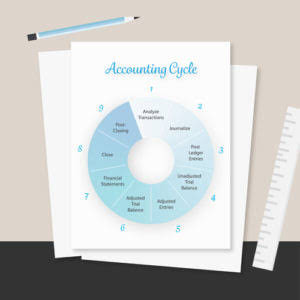
During the period close process, all temporary accounts are closed to the income summary account, which is then closed to retained earnings. The net result is either net profit or net loss as the balance in the income summary account. Keeping track of your retained earnings is essential because it helps investors understand how profitable and financially stable your business is over time. By calculating this figure regularly, businesses can make informed decisions about reinvesting profits into growth opportunities or distributing them among shareholders through dividends.

Where to Find Retained Earnings in the Financial Statements
For example, management might decide to build up a cash reserve, repay debt, fund strategic investment projects or pay dividends to shareholders. A company with consistently mounting retained earnings signals that it’s profitable and reinvesting in the business. Conversely, consistent decreases in retained earnings may indicate mounting losses or excessive payouts to owners. Typically, financial statements include a statement of retained earnings that sums up how this account has changed in the current period. Conversely, dividends and net losses (when expenses exceed revenue) reduce retained earnings. In summary, the relationship between dividends and retained earnings is a fundamental aspect of the Statement of Retained Earnings.
The Statement of Retained Earnings: Accounting for Changes in Accumulated Profits
Thus the result (net income) of accounting the income statement feeds the retained earnings account on the balance sheet. Retained earnings is also an element of the statement of stockholders’ equity, which we will cover later in this chapter. It represents the accumulated profits that a company has kept over time, rather than distributing it to shareholders as dividends.

But while the first scenario is a cause for concern, a negative balance could also result from an aggressive dividend payout, such as a dividend recapitalization in a leveraged buyout (LBO). Paul’s net income at the end of the year increases the RE account while his dividends decrease the overall the earnings that are kept in the business. Conversely, cash on hand is the literal liquid assets—currency, bank account balances, easily accessible funds—that a company can quickly mobilize for immediate needs, emergencies, retained earnings statement or opportunities.